
Language switcher


Dissolved air floation units
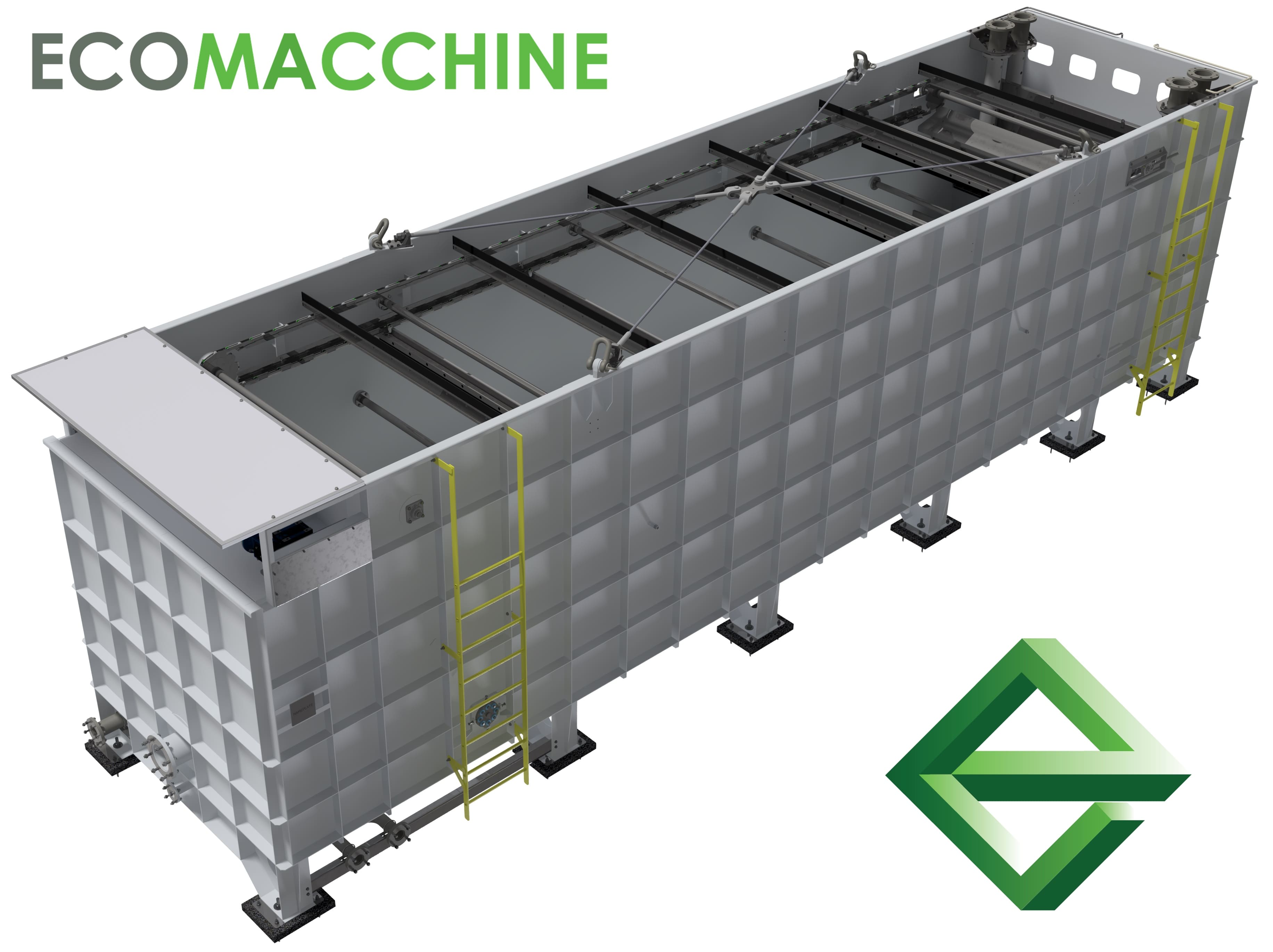
They are devices used to remove oils, fats, suspended solids and other particles through the flotation process.
Application
Municipal wastewater treatment
Refineries wastewater treatment
Food industry
Oil & gas industry
Livestock industry
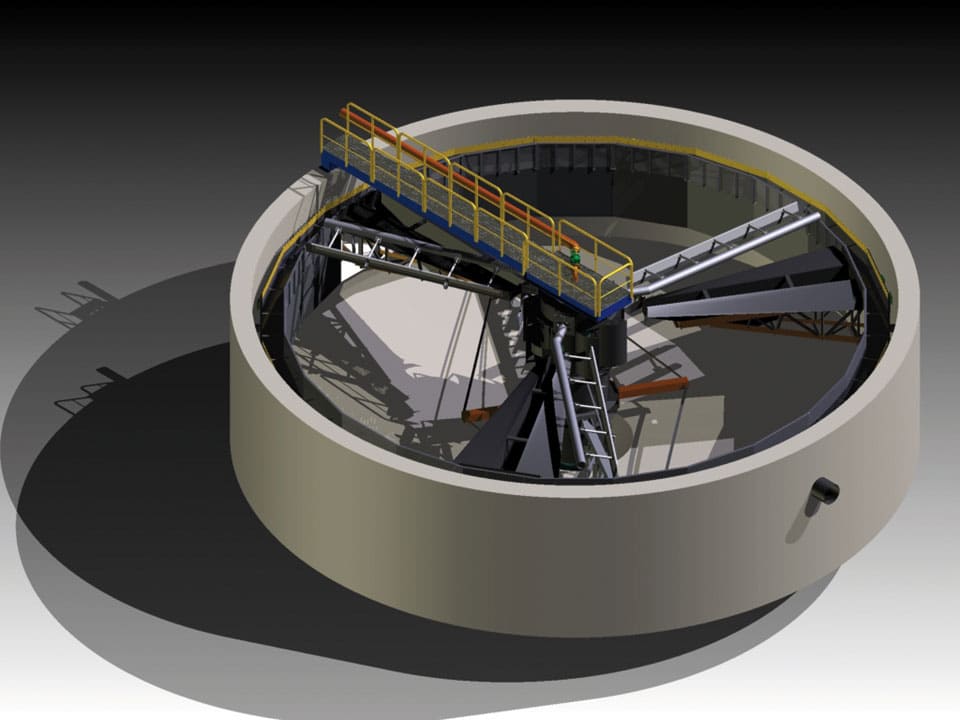
Dissolved Air Floatation unit for circular tanks
Models
EM35A
Central drive DAF unit

Lack of information...
EM35B
Peripheral drive DAF unit
Lack of information...
Dissolved Air Floatation unit for rectangular tanks
Models
EM35C
DAF unit with dredging chain
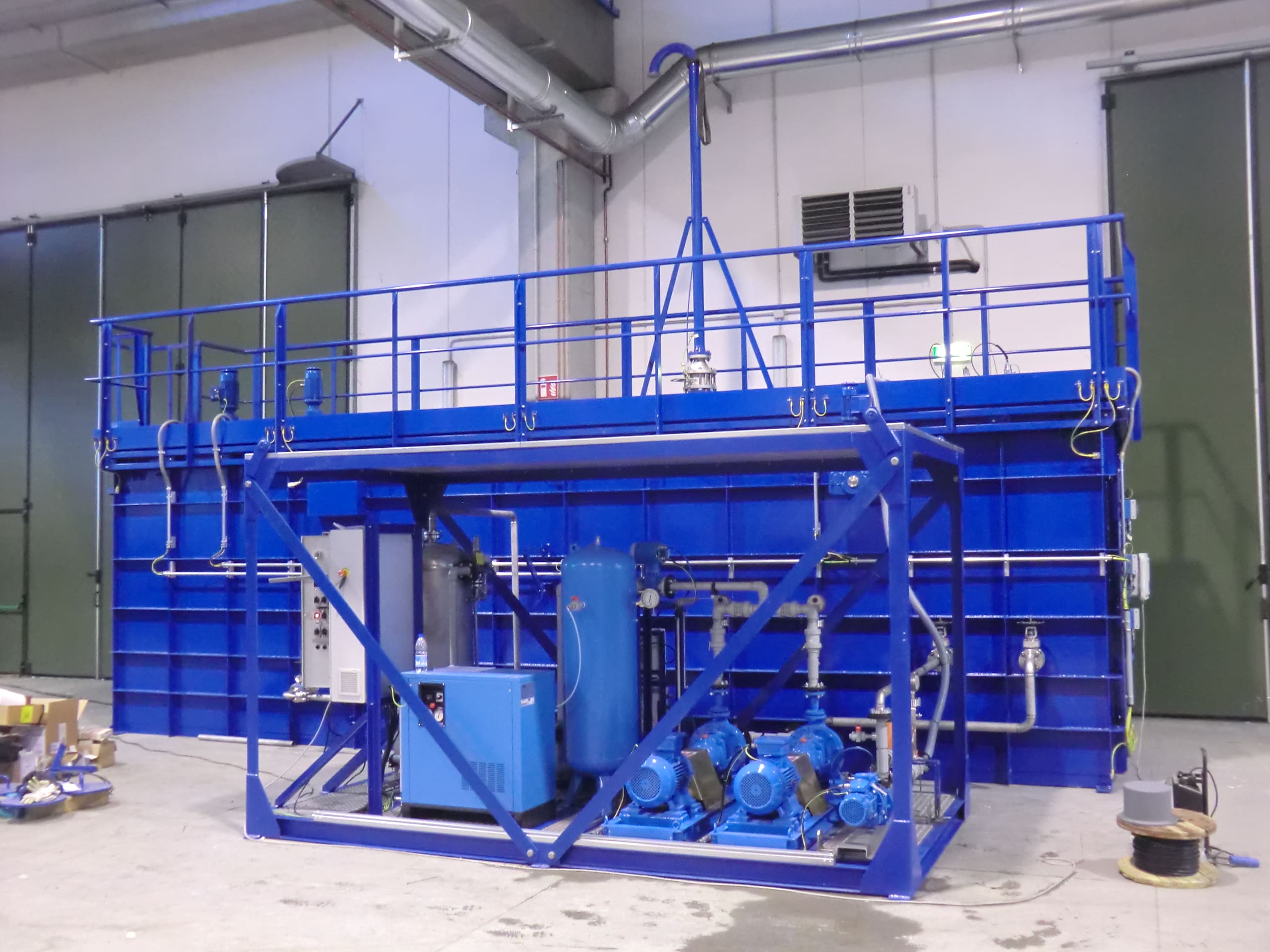
Lack of information...
EM35C1
DAF unit with upper and lower dredging chains
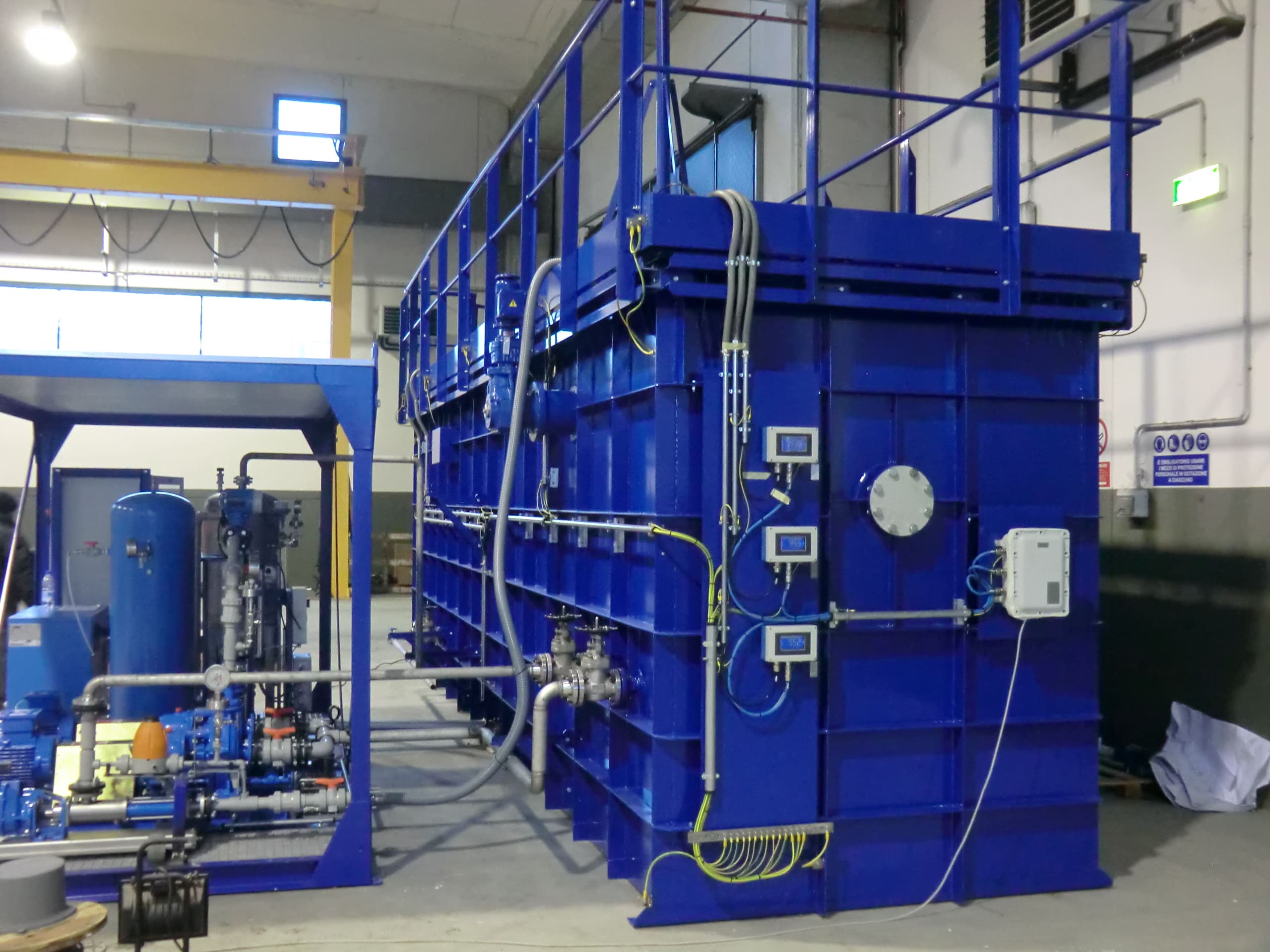
Lack of information...
Accessories and Options
Turbulence reduction profiles In the tank
Flow distribution system
Water saturation skid
Set-up for installation in hazardous area According to ATEX standards
Notes on suspended solids removal processes – flotation
1) INTRODUCTION
The suspended substances in a wastewater consist of liquids and/or solids of organic and/or inorganic nature that are insoluble in water.
The suspended organic substances include animal and vegetable oils and fats, mineral oils and organic solvents that are not soluble in water.
The microorganisms present in surface water and wastewater, in more or less numerous colonies, can also be considered as suspended organic matter.
The suspended inorganic substances include, for example, clay materials and various oxides,
hydroxides and metal sulphides.
The suspended substances in the liquid state commonly consist of compounds with a density lower than that of water, which therefore tend to rise to the surface (float) when the water is kept still.
The suspended substances in the solid state (suspended solids) frequently consist of
organic compounds with a density lower than that of water (animal and vegetable fats) and of inorganic compounds with a density higher than that of water, which tend to settle (sediment) when the water is kept still.
Microorganisms, aggregated in more or less voluminous masses, generally have a density slightly higher than that of water and therefore tend to settle.
The rising or settling velocity of the substances depends on several factors, including the particle size.
If the particles are very fine (size smaller than 1 μm) very stable suspensions are formed (colloidal suspensions) which, in the case of substances suspended in the liquid state, are also called emulsions.
The main suspended substances removal processes are:
sedimentation
flotation
coagulation-flocculation (followed by sedimentation or flotation)
filtration
The choice of the process depends on the chemical and physical characteristics of the wastewater and, in particular, on the nature, size and concentration of the suspended substances.
Very often the almost complete removal of the suspended substances can only be obtained by combining more than one of the above processes.
In general:
flotation is considered an alternative operation to sedimentation
filtration is used to remove the residual suspended solids coming from the sedimentation or flotation operations
coagulation – flocculation is used to remove from the water the suspended substances (liquid and/or solid) in the colloidal state and therefore precedes, when required, the sedimentation or flotation treatment.
2) FLOTATION
Flotation is an operation that brings to the water surface both the suspended particles that tend to float freely (density lower than that of water) and those that settle poorly.
Heavy particles instead settle on the bottom of the flotation unit, from where they are removed by a scraper.
The floated materials are removed by a dedicated skimmer.
Flotation therefore allows a removal of suspended substances that is generally higher than that obtainable by sedimentation, and in relatively shorter times.
In addition to water clarification, flotation is also used for thickening chemical and biological sludge.
2.1 Flotation mechanisms
Flotation consists in introducing air into the water so that the air bubbles, coming into contact with the suspended particles, cause them to rise to the surface.
The particles can rise as a result of the entrapment or adhesion of air bubbles. Both mechanisms lead to a reduction of the apparent density of the particles.
The suspended substances that initially had a specific weight lower than that of water will rise more easily thanks to the further reduction of the specific weight (it should be remembered that, according to Stokes’ law, the rising velocity of the particles increases as their specific weight decreases and as their size increases).
Therefore the particles that have a specific weight higher than that of water and tend to
settle can, following the entrapment or adhesion of air bubbles, take on an apparent density lower than that of water and therefore rise.
In this respect, the volume of the particles is very important, since the number of air bubbles that can be entrapped depends on this quantity.
Coagulant reagents, by causing the particles to agglomerate into voluminous flocs, increase the efficiency of the flotation process.
As already mentioned, the particles can also rise because air bubbles adhere to their surface due to surface tension.
It should also be noted that in the flotation tank the air bubbles attached to the particles tend to grow as they rise since, as the pressure decreases, their specific weight is reduced.
This leads to a reduction of the specific weight of the bubble-particle system and therefore to a higher rising velocity of the particles.
2.2 Flotation systems
To obtain a high removal of suspended substances, the air bubbles must be very fine and uniformly distributed over the horizontal section of the flotation unit.
The second condition is difficult to achieve when the air is blown in through diffusers (even with very small porosity), which explains why blown-air flotation (also simply called induced air flotation) is applied only to units of relatively small size.
Moreover, the quantity of air must be high and, consequently, energy consumption is high.
Finally, since the floated solids are separated by removing the thick layer of surface foam, separation is good, but with a high production of low
concentration sludge.
Flotation is instead more effective when the air is first dissolved in the wastewater at a pressure higher than atmospheric pressure and then released into the flotation tank, kept at atmospheric pressure.
This flotation is called pressurized air flotation or, more commonly, dissolved air flotation (DAF).
DAF flotation is the most widely used both for water clarification and for sludge thickening, while induced air flotation is mainly used in the oil industry.
DISSOLVED AIR FLOTATION (DAF)
Saturation can be carried out according to one of the following schemes:
A. saturation of all the water to be treated
B. saturation of a portion of the effluent recirculated from the flotation tank.
Solution A is not well suited to wastewater containing oily substances or particles that tend to flocculate, since the solids could clog the inside of the saturator.
Solution B involves saturating a portion of the effluent.
In both cases (A and/or B) the saturator effluent is always sent, through a depressurization valve, to a flotation tank at atmospheric pressure.
In this tank the dissolved air is in supersaturation conditions with respect to atmospheric pressure, and air is therefore released in the form of fine bubbles (size from 30 to 120 μm) which preferably form in contact with the suspended solids (which act as bubble formation centres) and remain attached to them.
The quantity of air released in the tank (released air) depends on the saturation pressure P, on the residence time of the water in the saturator ts, on the temperature t and on the chemical and physical characteristics of the wastewater.
The quantity of released air can be calculated using Henry’s law:
s=P/Hi
where:
s in mg/l is the solubility of air in the wastewater at pressure P (absolute atm)
H is Henry’s constant : [atm.abs x l/mg]
The constant H depends on the chemical and physical characteristics of the water and increases with increasing t.
Therefore the solubility of air, like that of other gases, decreases both with decreasing P and with increasing t.
The diagram shows the solubility values of air, considered as a mixture of n2 and O2 in distilled water at atmospheric pressure for various temperatures.
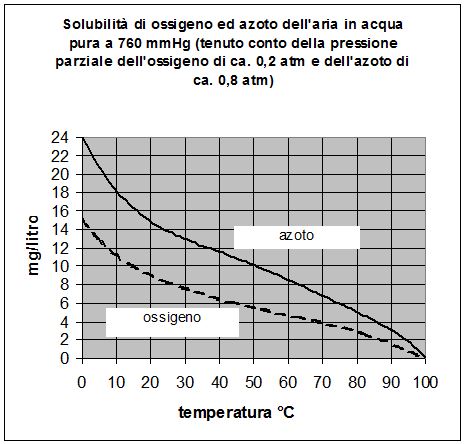
For saturation pressures higher than atmospheric pressure, the concentrations obtained from the diagram must be adjusted according to the absolute saturation pressure.
If the contact time between air and water in the saturator ( ts ) is not sufficient to reach equilibrium conditions, the quantity of air dissolved in the water will be lower than that shown in the diagram.
The degree of saturation ( f ) of water with air at pressure P is defined as the ratio between the quantity of air actually dissolved in one litre of water at pressure P and the solubility of air at the same pressure.
The value f is between 0 and 1 and depends on the following factors:
1. Residence time ts
2. Pressure p
3. Temperature t
4. Saturator characteristics (contact surface)
The retention time ts is given by : ts=V/Q
Where:
V = saturator volume
Q = water flow rate to the saturator
The value of ts is normally from 1 to 3 minutes.
for f = 0,5-0,6 ts = 1 min.
for f = 0,65-0,75 ts = 2 min.
for f = 0,8-0,9 ts = 3 min.
The quantity of air released in the tank by the saturated water is:
A = R x s x f x ( p – 1 ) expressed in grams/hour
A = air in gr/h
R = recirculation water flow rate in m3/h
s = air solubility expressed in mg/lit or g/m3
p = absolute pressure in the saturator
f = saturation efficiency
The removal efficiency of the particles in the flotation tank depends not only on the quantity of released air, but also on the nature, size and concentration of the particles.
The ratio between the quantity of released air and the quantity of solids entering the flotation unit (air/solids ratio A/S) can be calculated:
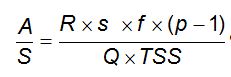
where:
Q = water flow rate entering the flotation unit in m3/h
TSS = total suspended solids in the water entering the flotation unit, measured in p.p.m.
By varying the ratio A/S the rising velocity of the particles varies, and therefore the removal efficiency.
It should be noted that the addition of coagulant reagents is essential when particles in the colloidal state are suspended in the wastewater.
The A/S ratio is normally between 0.008 and 0.06 – from the lowest to the highest removal efficiencies.
| A/S value | Application |
| 0,008 | Biological sludge thickening |
| 0,027 | Flotation followed by filtration of fats, oils and bacterial flora |
| 0,06 | Flotation of inorganic substances |
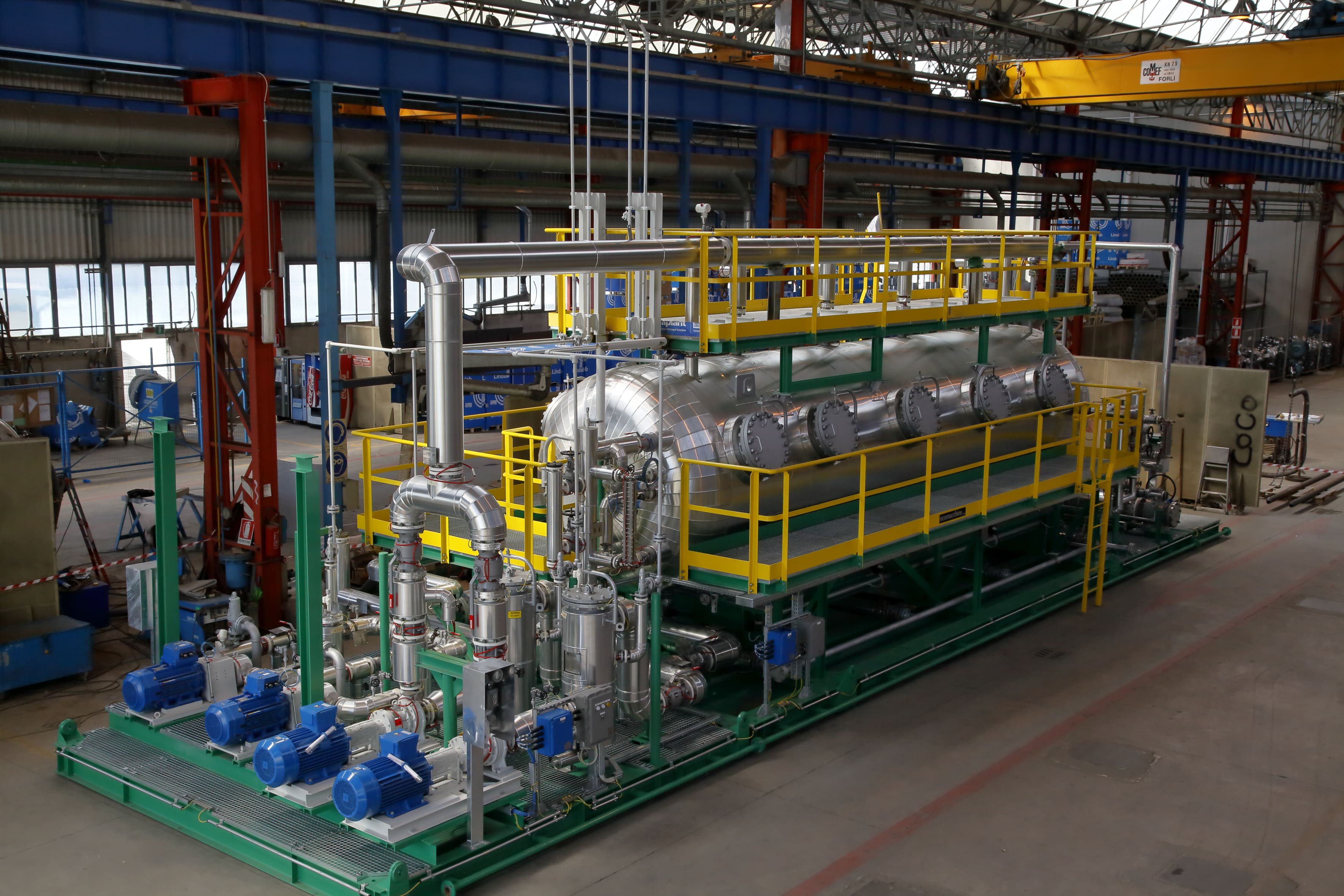 C5344 ENI-DGF 1
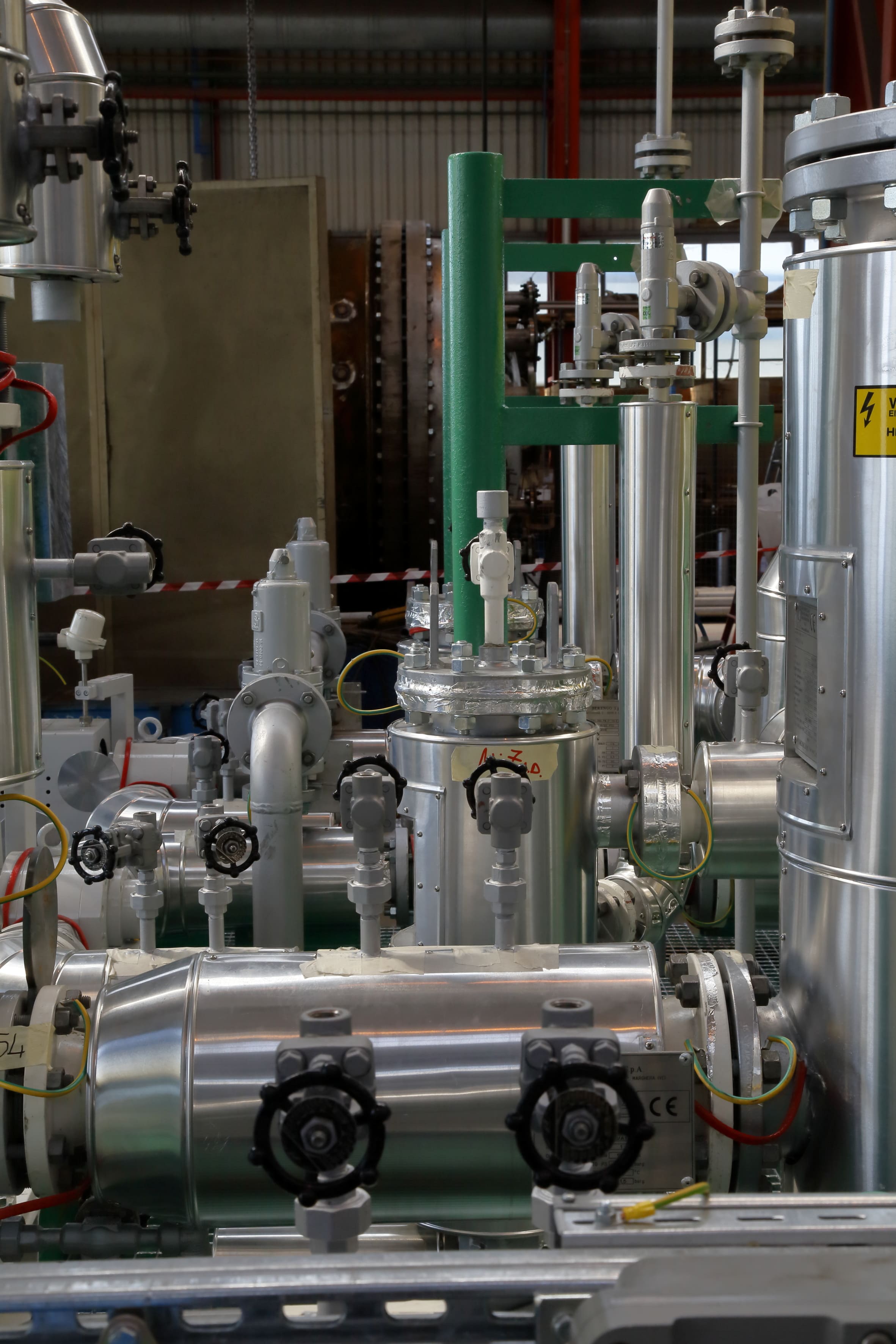 C5344 ENI-DGF 2
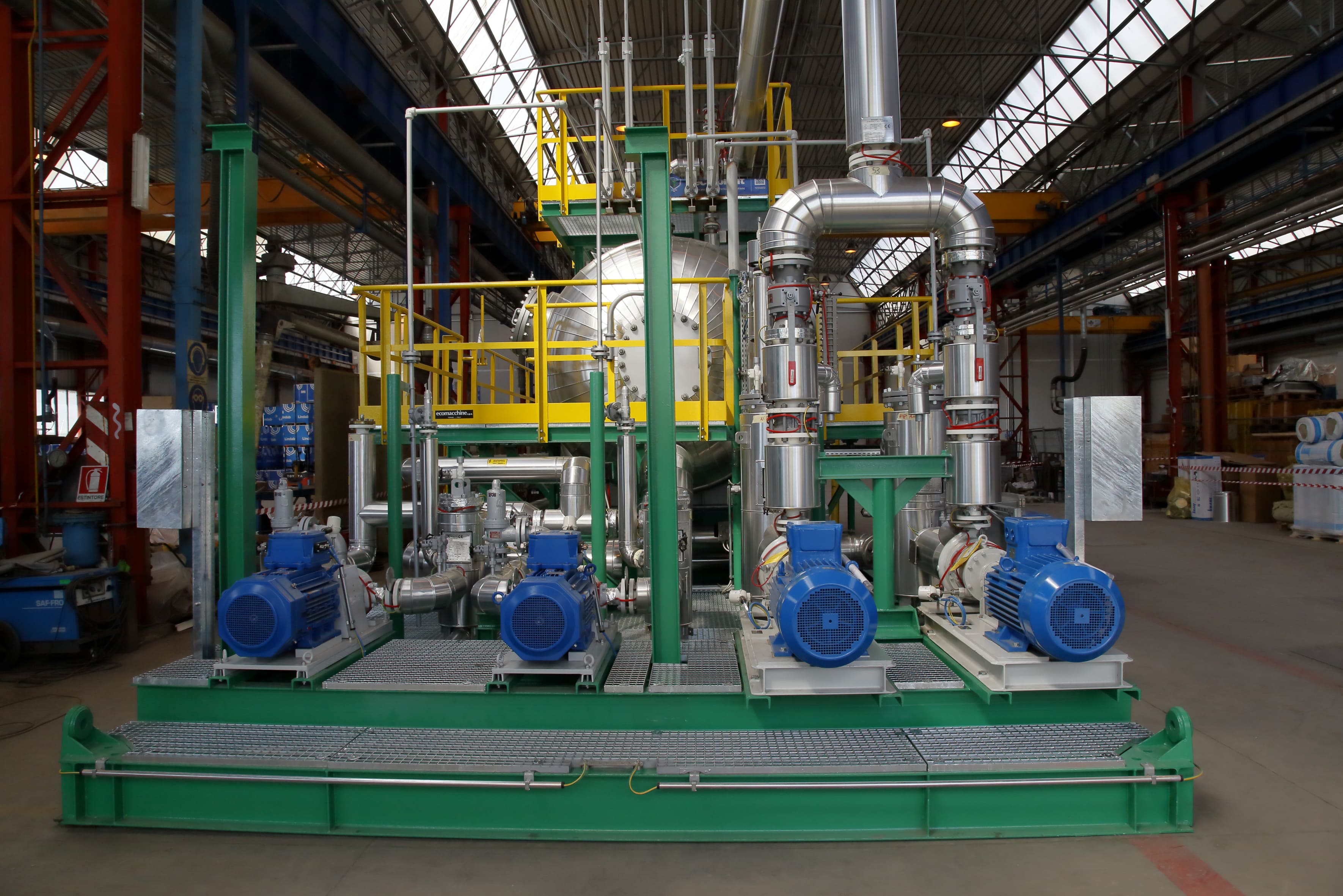 C5344 ENI-DGF 3
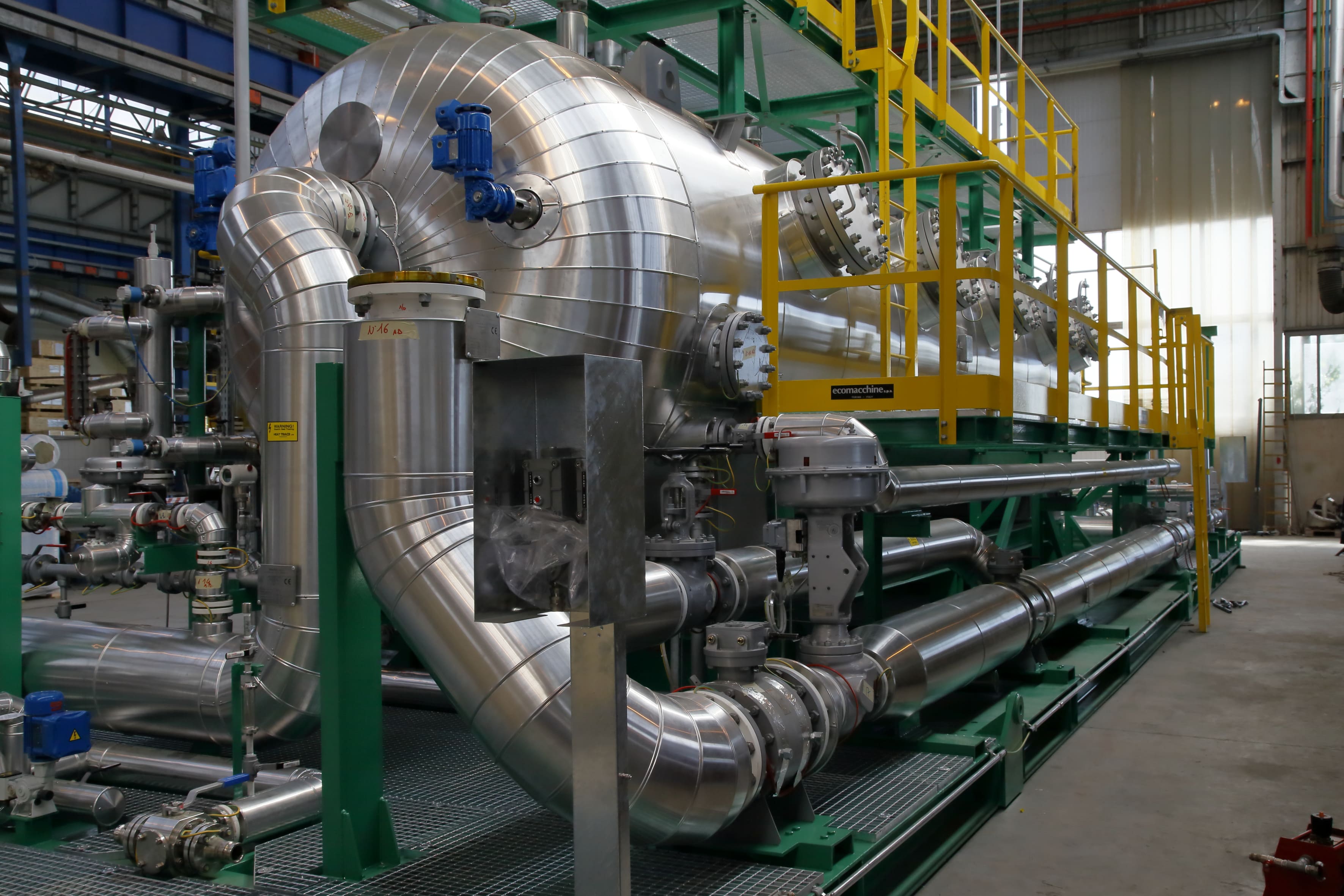 C5344 ENI-DGF 4
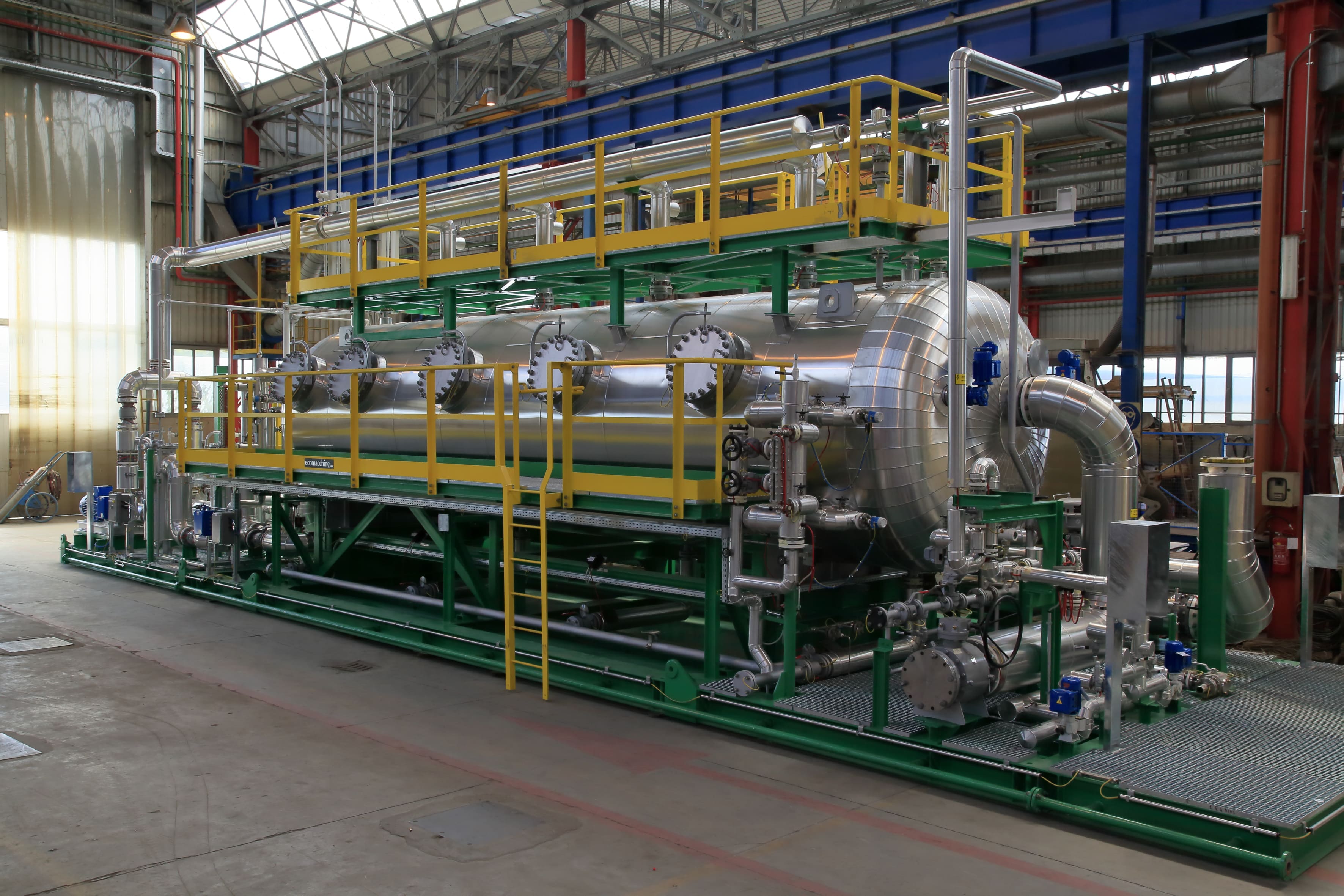 C5344 ENI-DGF 5
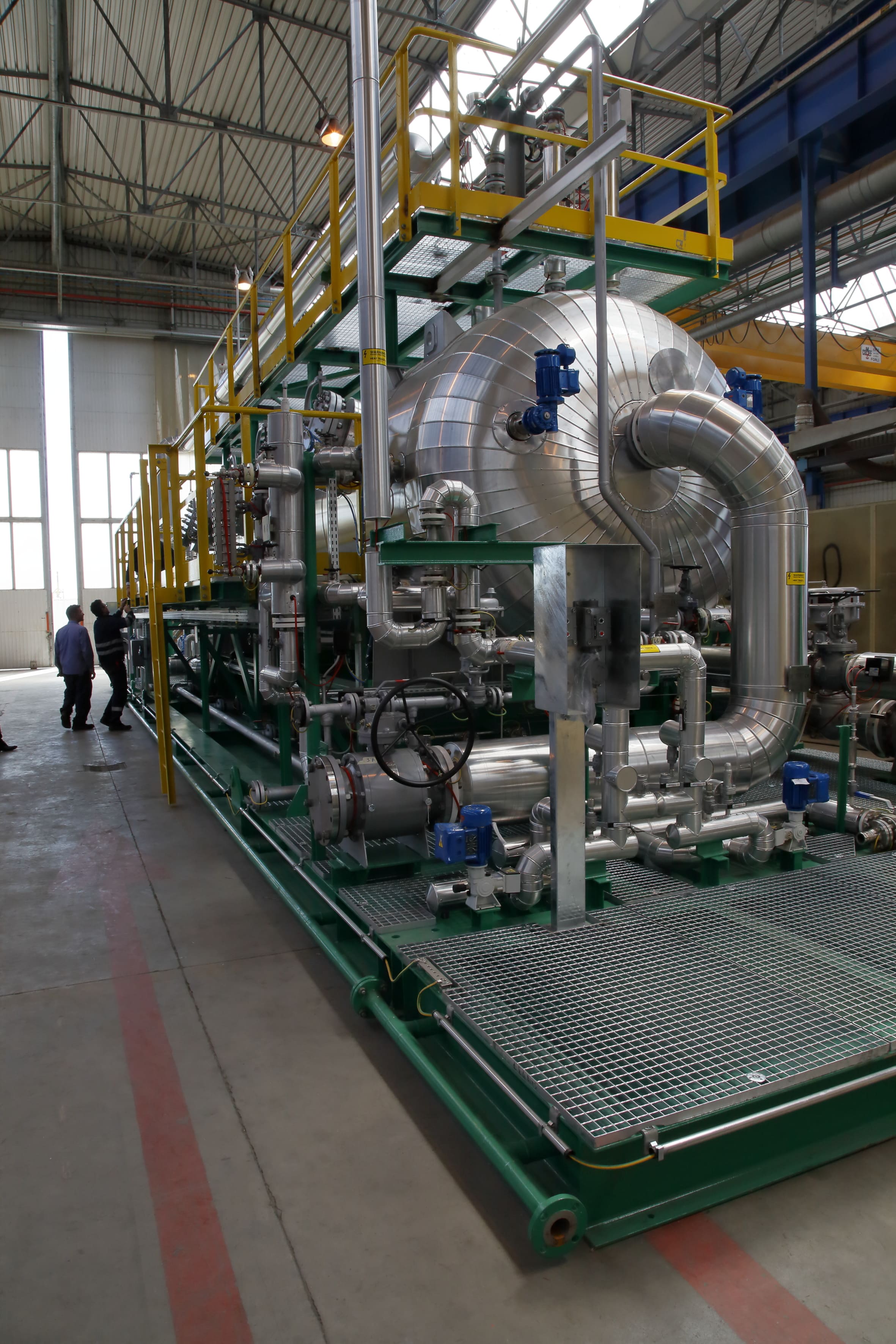 C5344 ENI-DGF 6
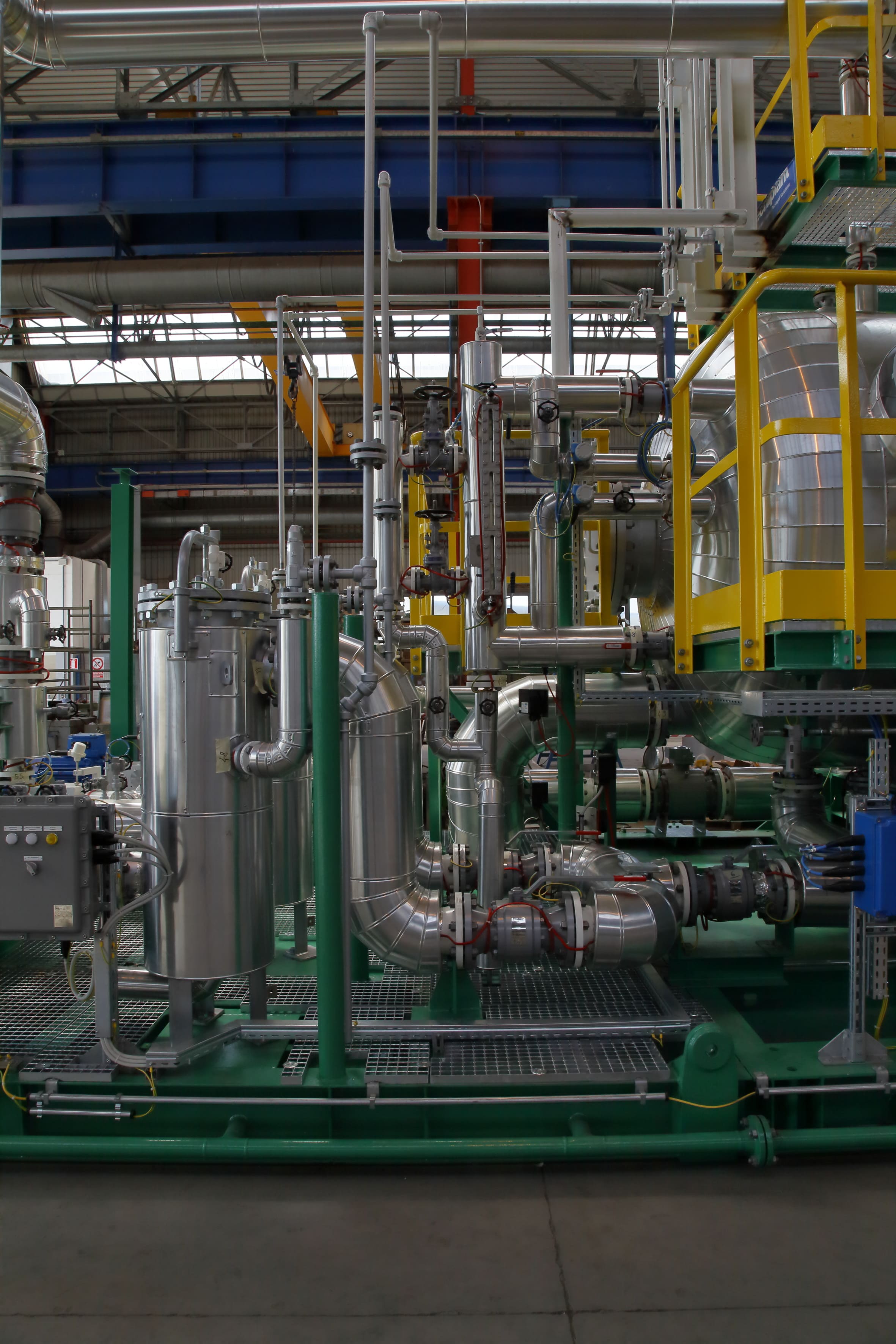 C5344 ENI-DGF 7
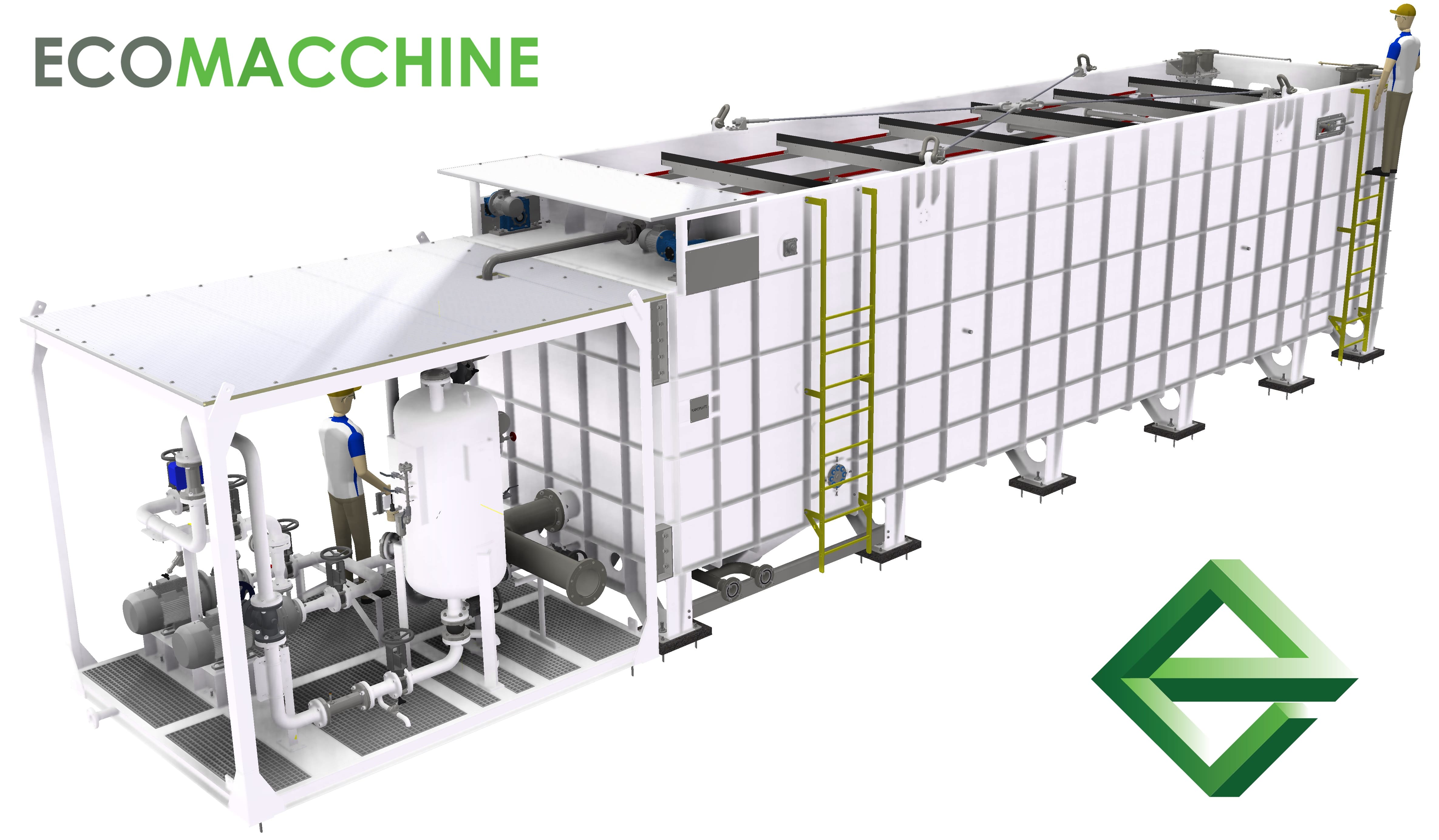 C5389 AQUA-ZADCO-DAF-01
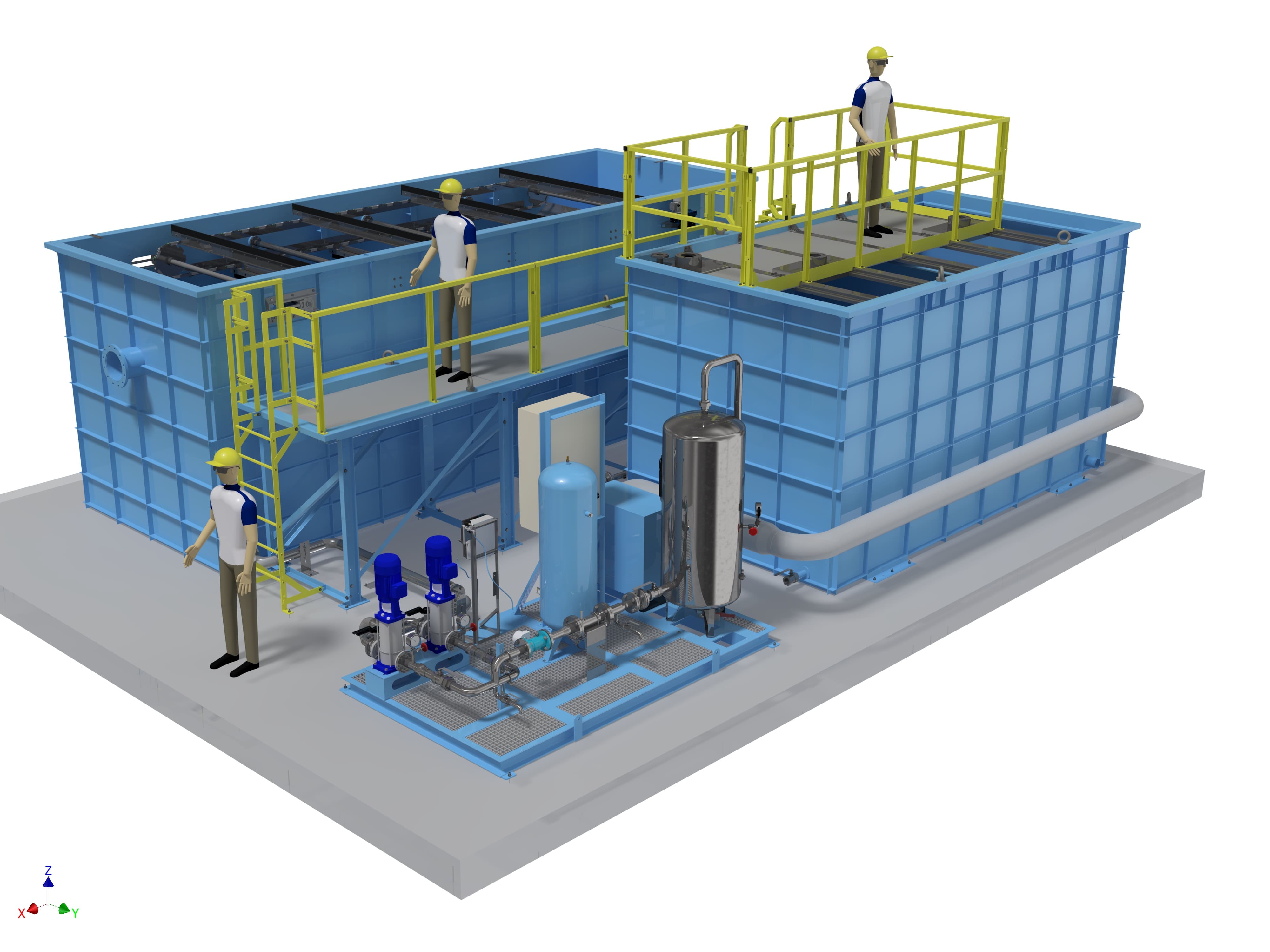
 C5389 AQUA-ZADCO-DAF-05
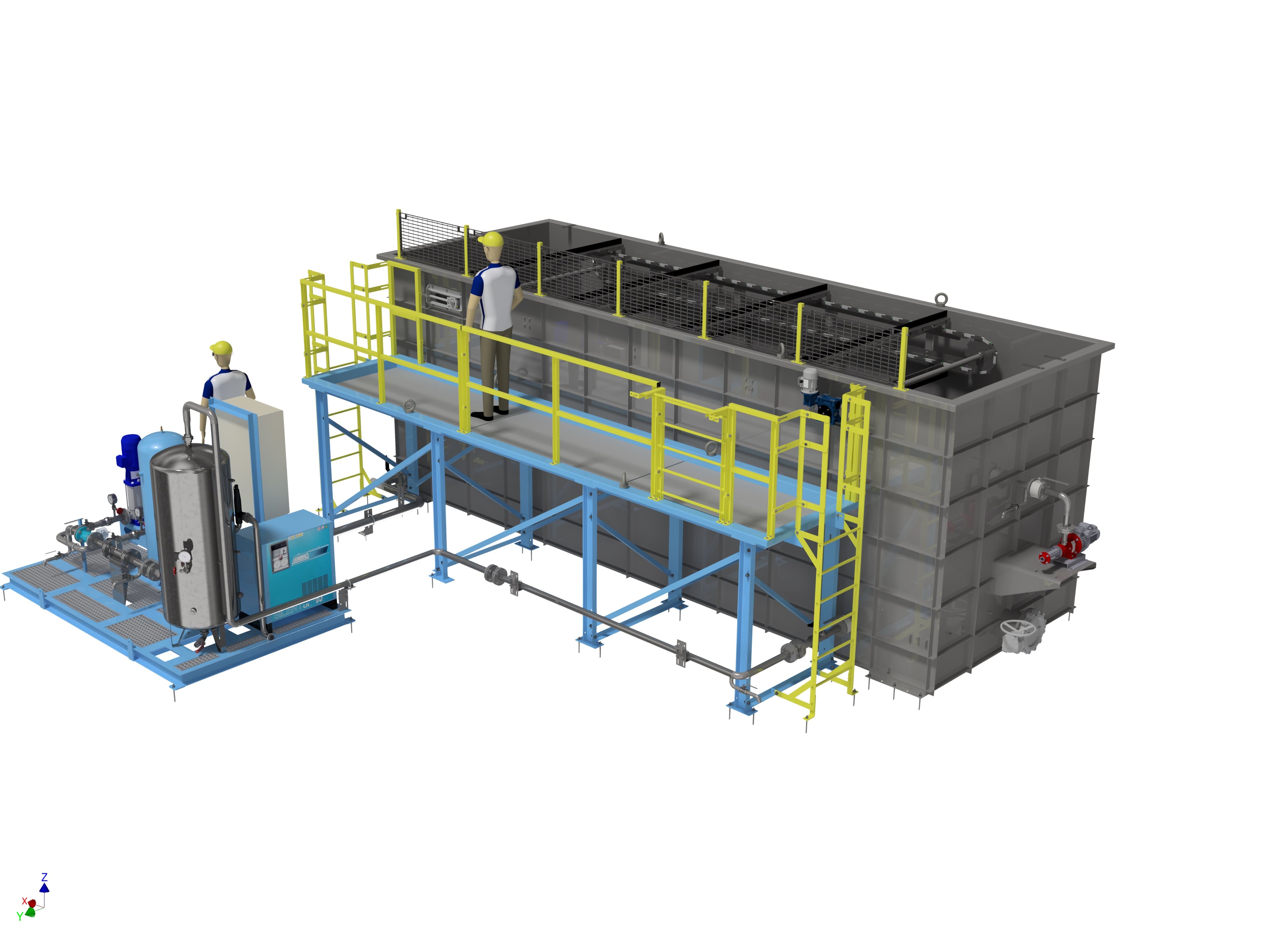
 C5399 SUEZ-DAF-01
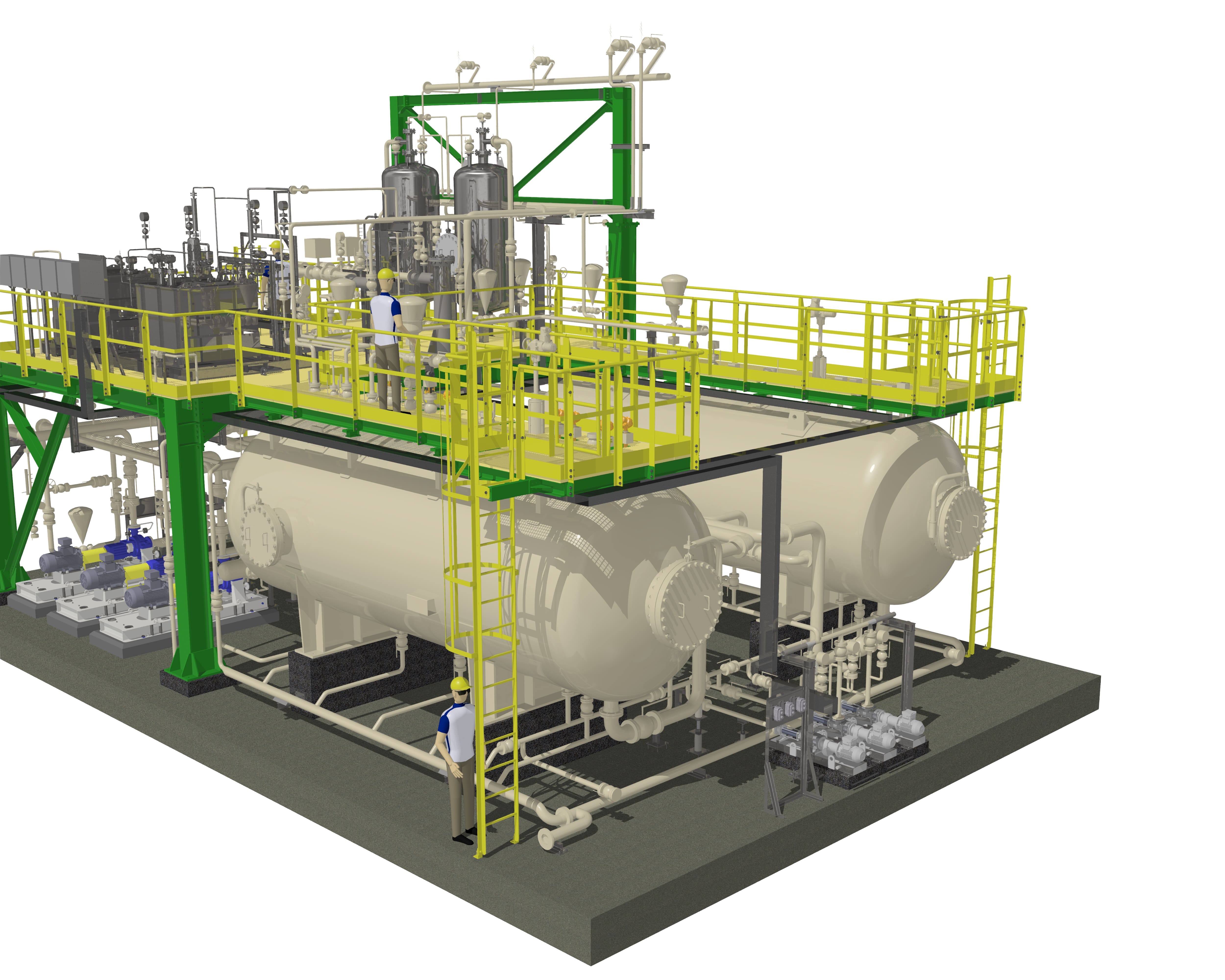
 C5399 SUEZ-DAF-02
 C5583 ENIMED-DGF-01
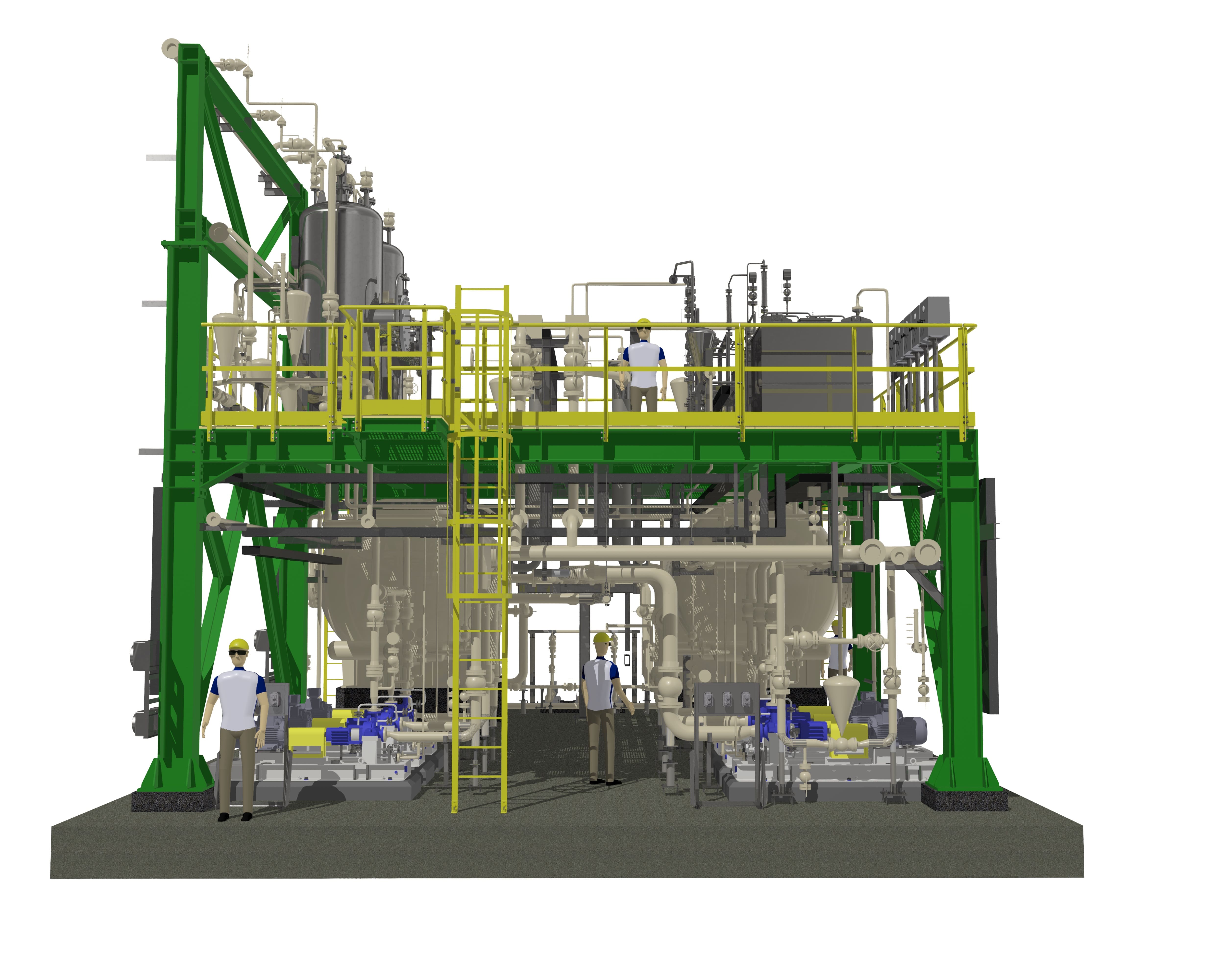 C5583 ENIMED-DGF-02
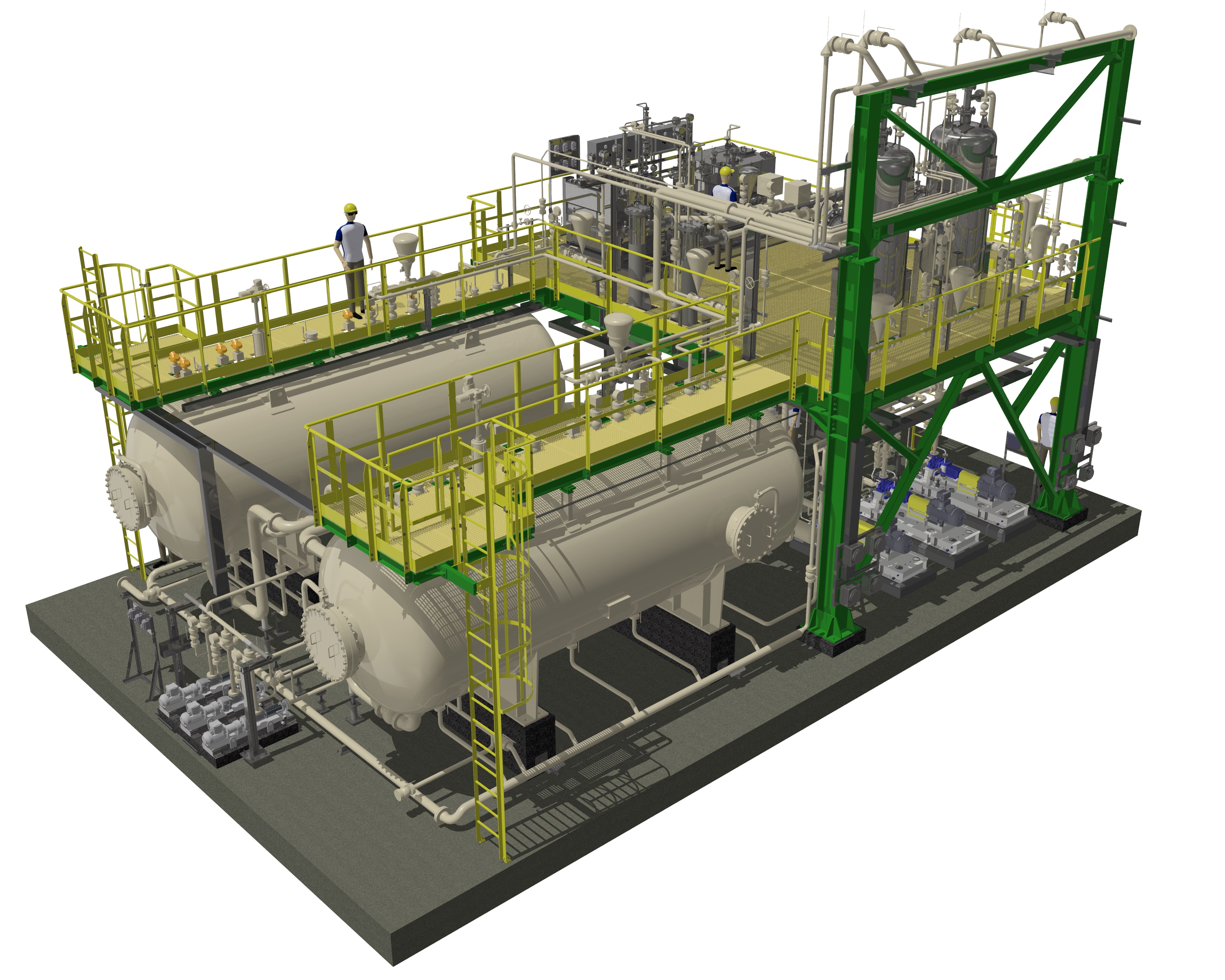 C5583 ENIMED-DGF-03
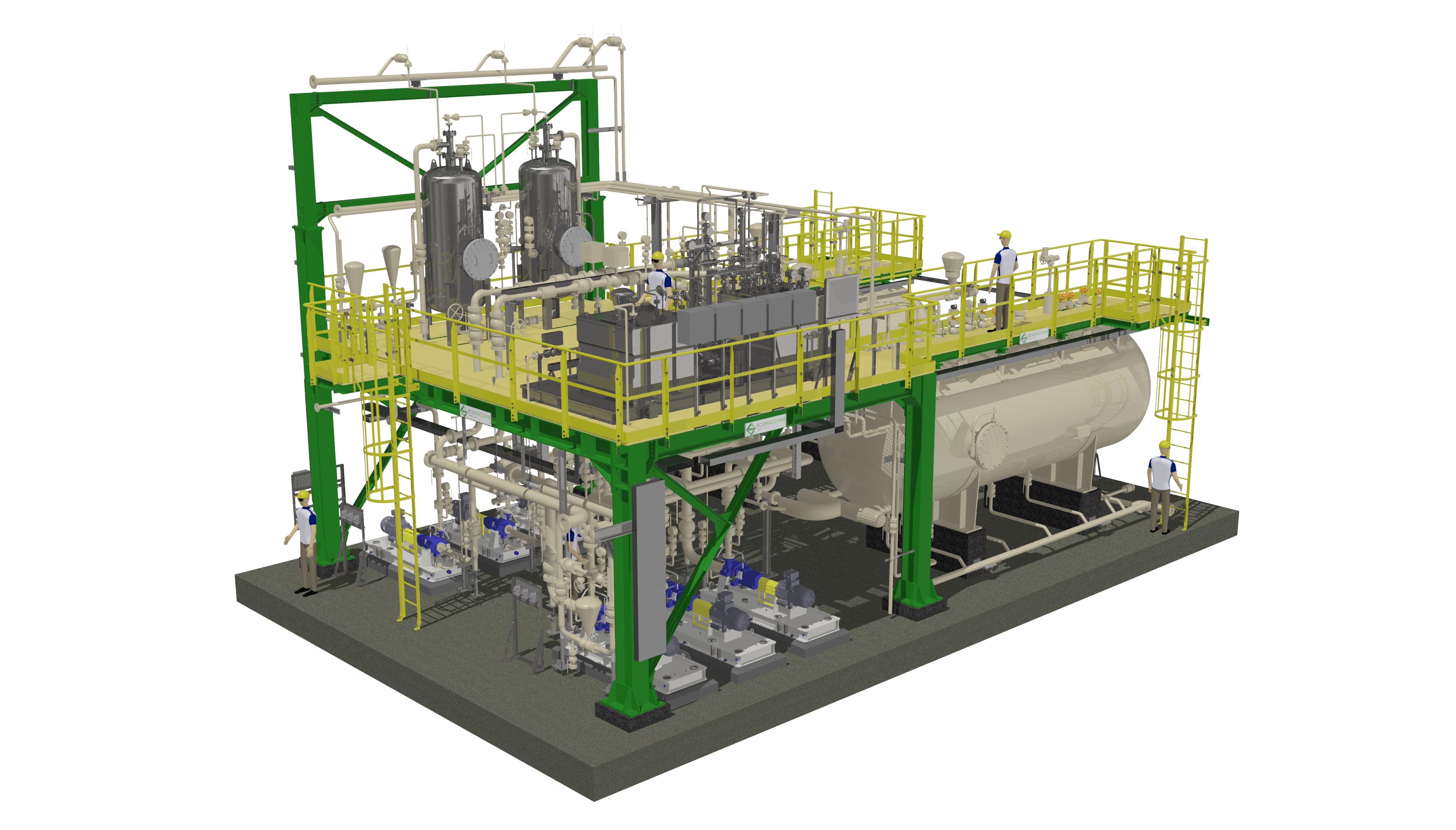 C5583 ENIMED-DGF-04
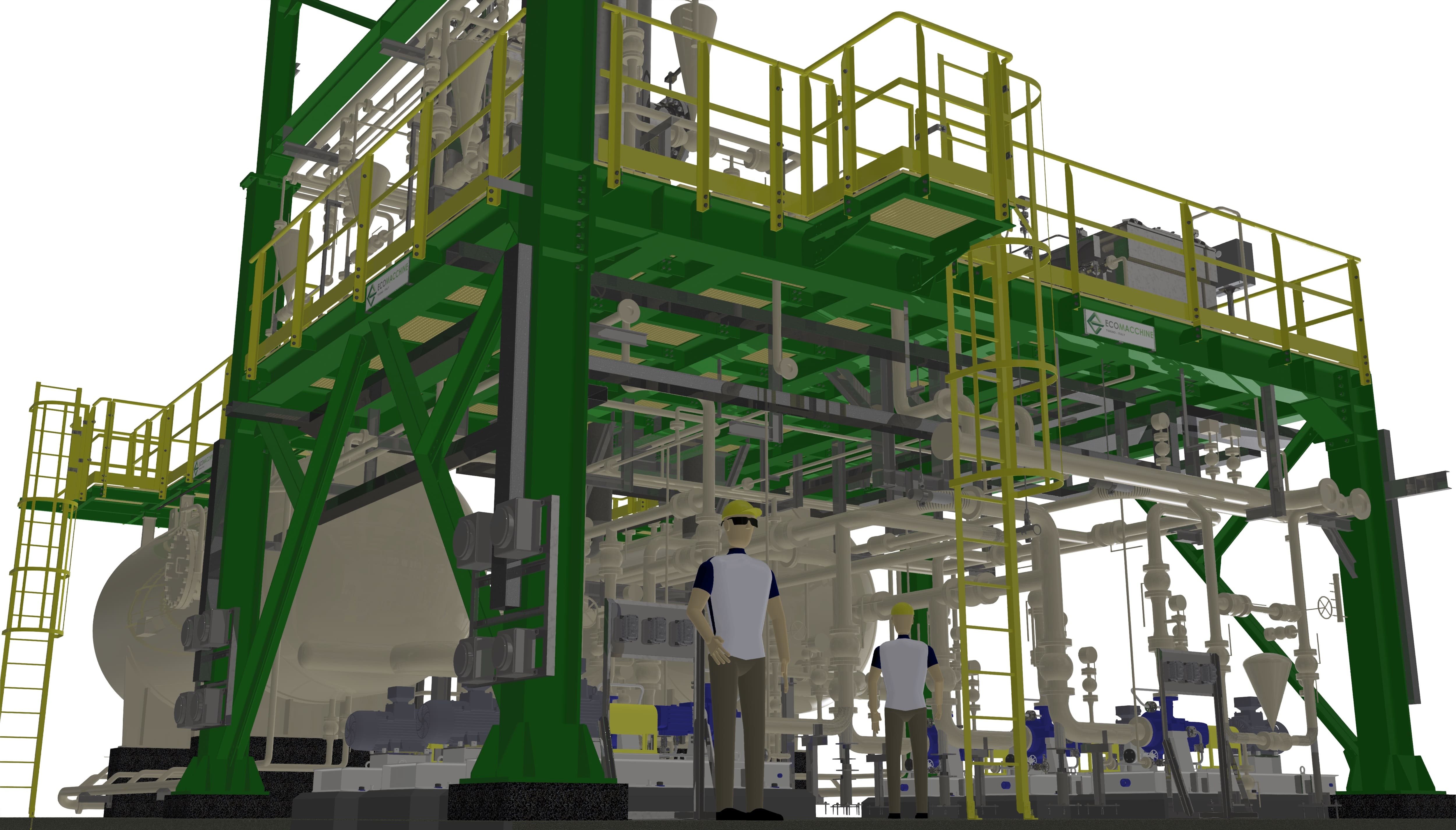 C5583 ENIMED-DGF-05
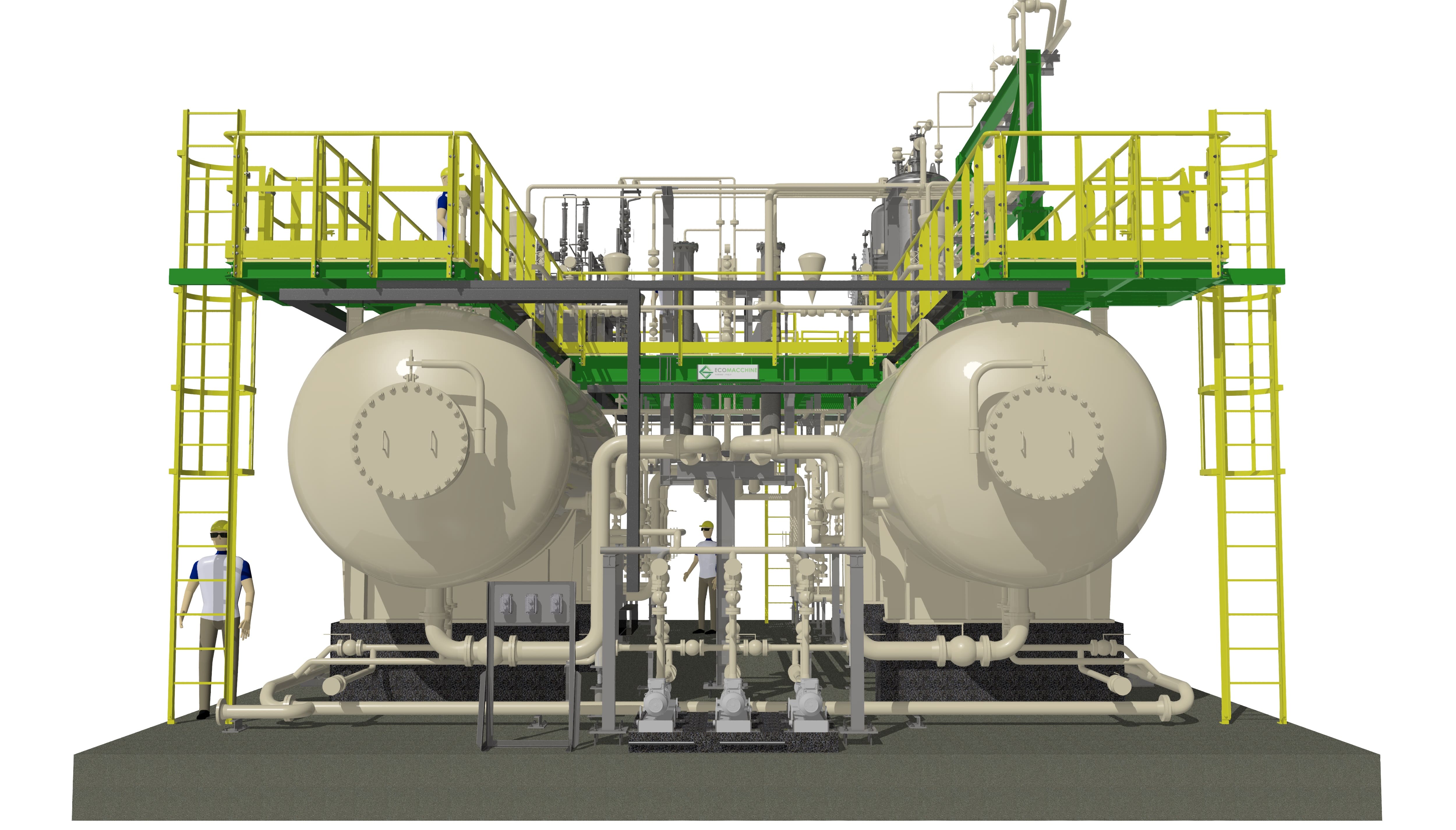 C5583 ENIMED-DGF-06
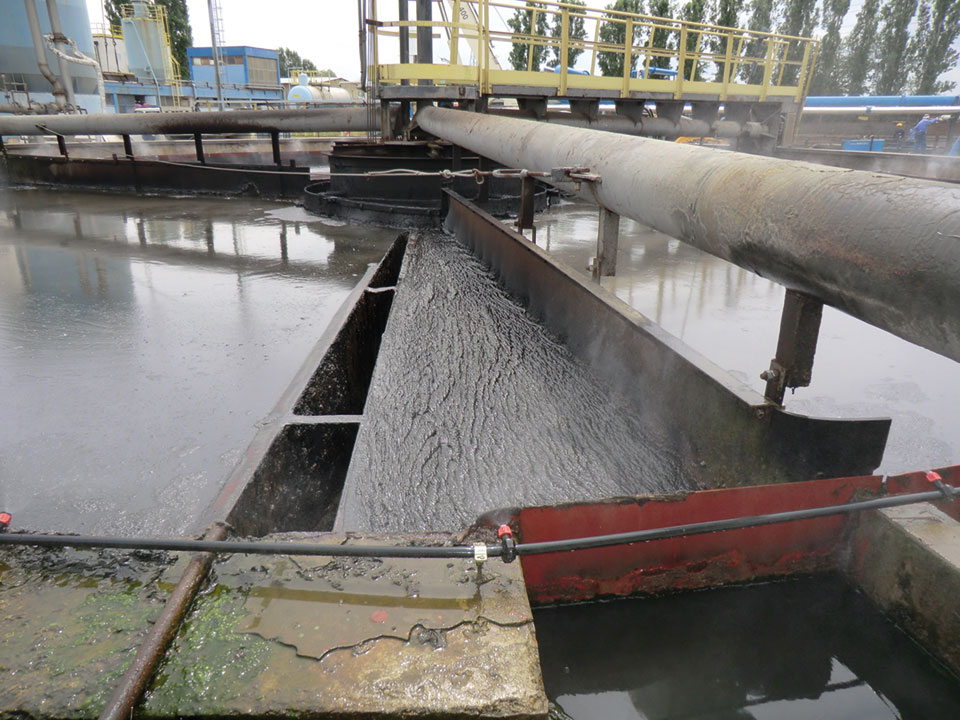 EM35 BERNARDINELLO-C04996-2
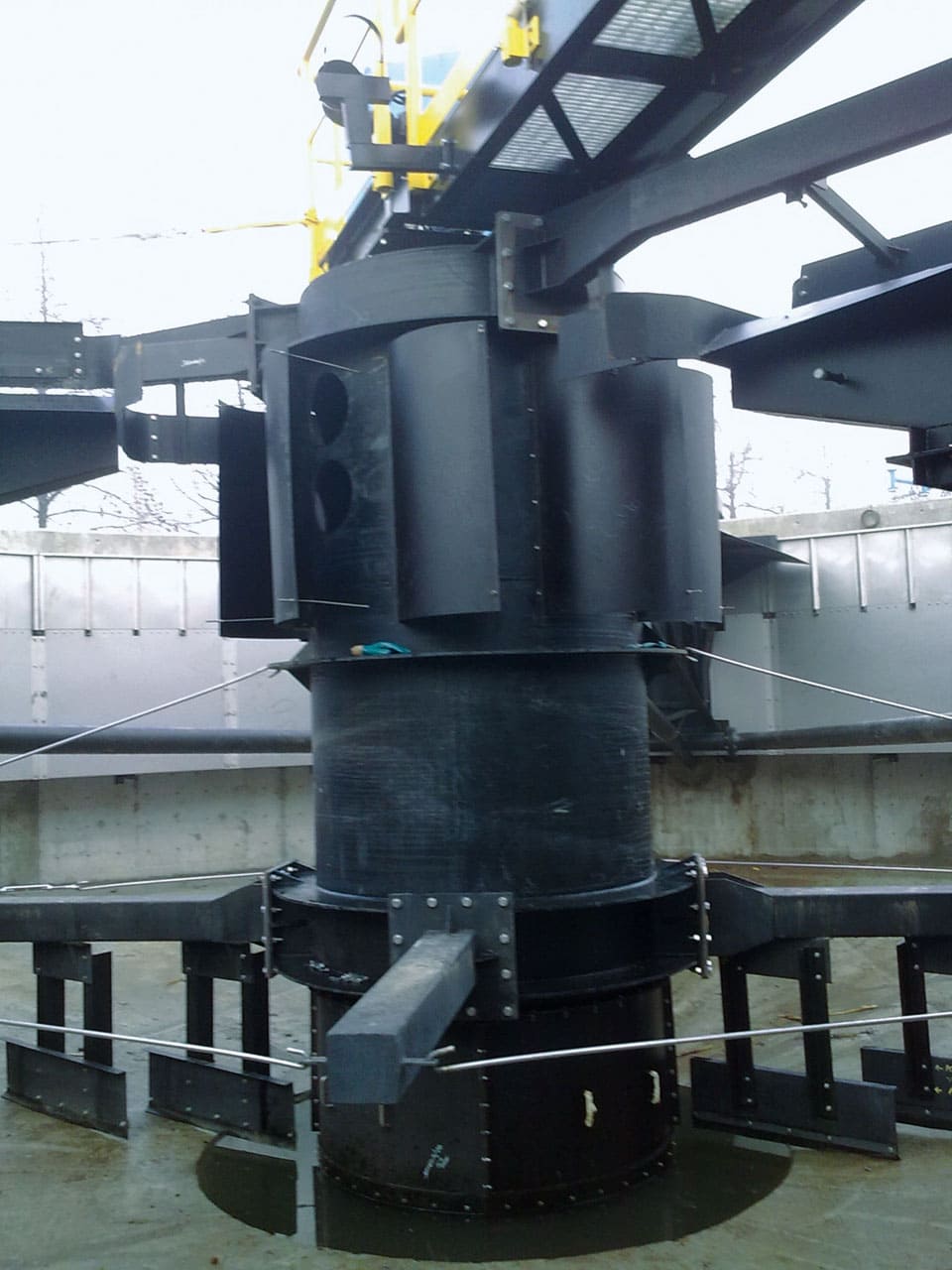 EM35 BERNARDINELLO-C04996
EM35C DAF-Iraq-C5351-1
EM35C DAF-Iraq-C5351
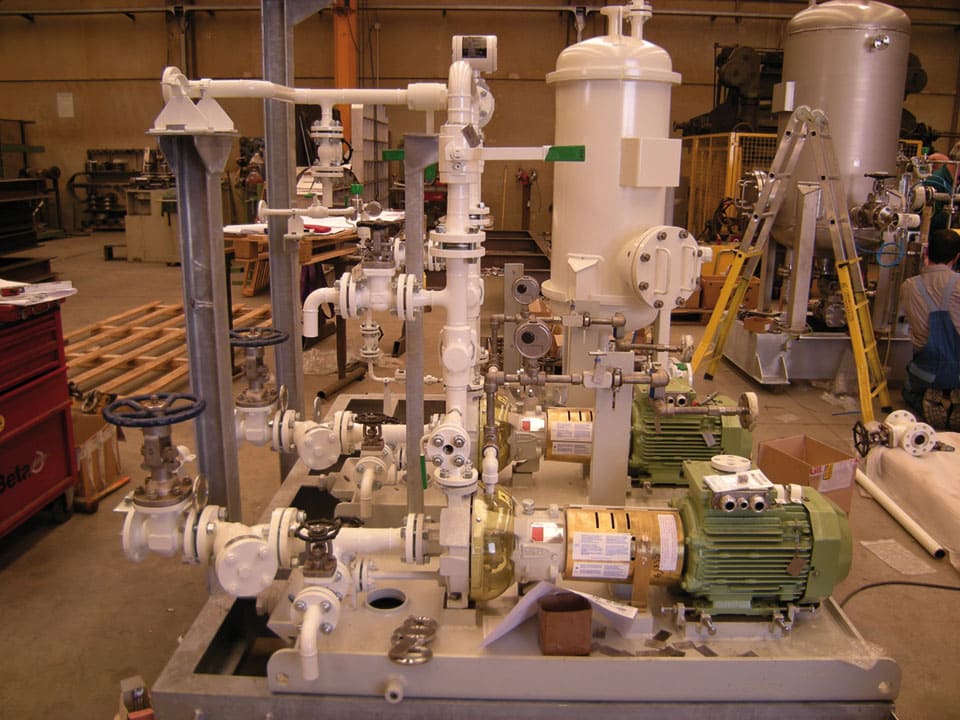 EM35 SATURATOR-NESTE-OIL-ROTTERDAM-C04927
 FLOTATION UNIT R4